Loading
Loading games and devlog…
Loading games and devlog…
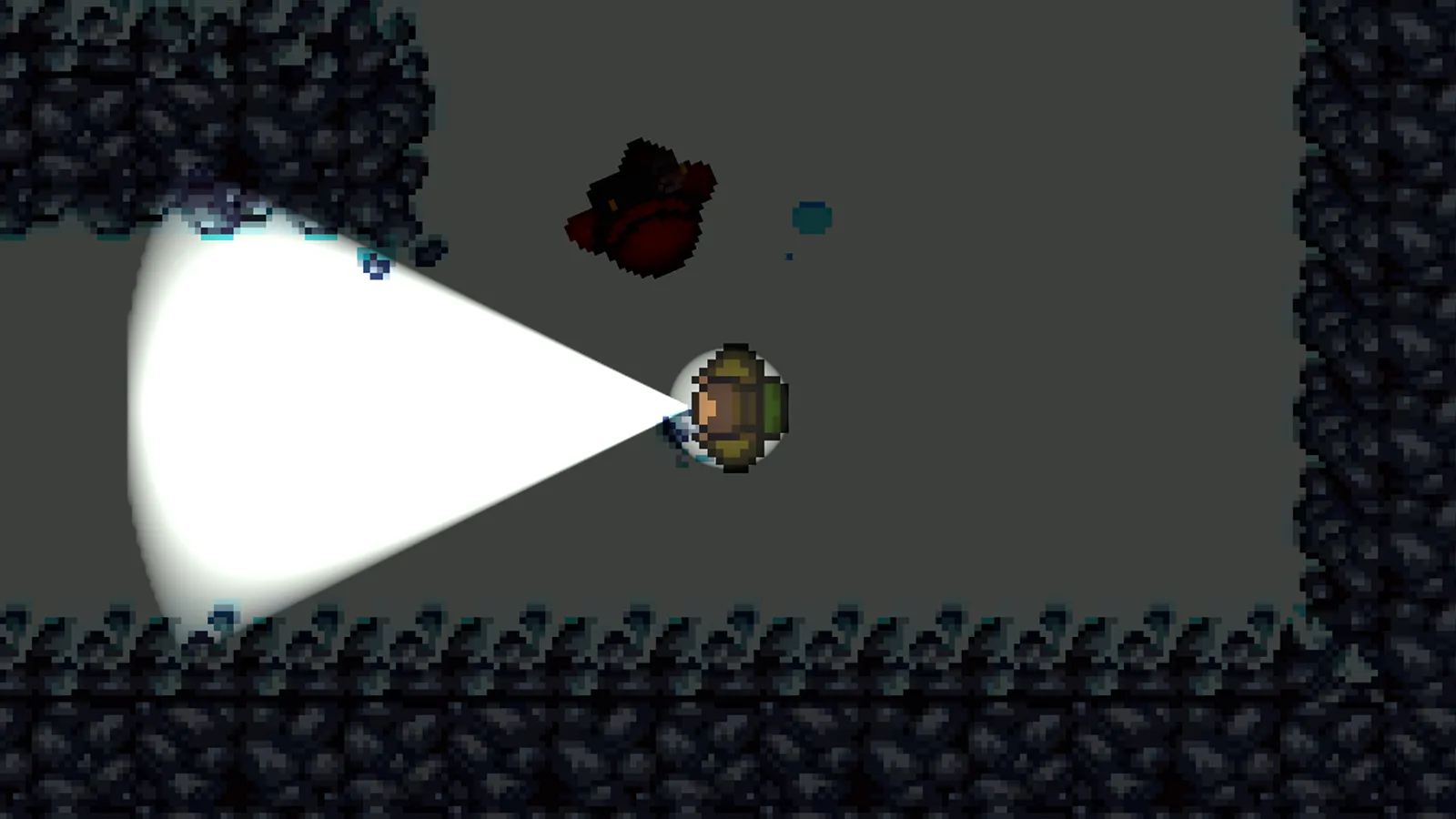
“You're not a fighter. You're a survivor.”
Absolute Zero is a tense, slow-burn survival game built around one simple idea: survival doesn't always mean fighting back.
You are an ordinary person thrown into extraordinary danger. No military training, no heroic abilities, and certainly no reliable arsenal. All you have is a revolver with limited ammunition, unstable hands, and one objective: survive as long as you can.
Combat is a last resort. Your aim becomes more stable the longer you hold your breath and maintain your sights, but staying still also leaves you exposed. Every shot matters, and every decision carries a risk.
Light and shadow are your most valuable tools. Use darkness to disappear, manipulate light to distract enemies, and learn to read your surroundings before making your next move.
Sometimes, the smartest thing you can do is simply not be seen.
March 9, 2026. Mini Jame Gam #52.
After the experience of Solar Siege, I went into Absolute Zero expecting another opportunity to improve our production process.
Instead, I walked away with one of the most frustrating experiences in my game development journey.
This project wasn't a failure because of an ambitious scope or an impossible technical challenge. It was a failure of preparation, communication, and understanding the circumstances we were working under.
The first major mistake was misunderstanding the jam's schedule.
The event appeared to offer five days, but those five days were actually divided into three days of development and two days of review. It was a much more demanding format than I had anticipated, and one I wasn't prepared to handle.
That misunderstanding put the entire team under pressure before we even had a proper chance to get things moving.
Another problem came from our communication workflow.
We used WhatsApp as our main communication channel. It seemed convenient at first, but important information frequently got buried beneath other messages and notifications. Team members could easily miss updates, and keeping everyone on the same page became increasingly difficult.
I also made the mistake of introducing Figma and Google Docs into the workflow.
Looking back, I already had reasons to believe that my team wouldn't consistently check documentation, even when it was as simple as a shared Google Doc. Introducing another tool like Figma only added more friction.
I tried to build a more structured workflow, but I failed to consider whether that workflow was actually suitable for the people using it.
A production system is only useful when the team can and will use it.
The biggest consequence was that the team couldn't keep up with the development schedule.
The project involved multiple programmers, but two of the other programmers weren't able to deliver their assigned work within the time constraint.
With the jam moving forward and the remaining workload piling up, the project became increasingly difficult to manage.
I could point to the schedule, the communication platform, or the workflow as contributing factors. But as the person leading the project, I also had to acknowledge that I hadn't properly assessed the team's readiness for this kind of production environment.
I had expected a level of coordination and commitment that our existing workflow and team circumstances couldn't support.
That was on me as much as anything else.
Absolute Zero left a different kind of lesson compared to our previous projects.
It taught me that having a plan doesn't mean having a workable plan. Introducing more tools doesn't automatically make a team more organized, and assigning responsibilities doesn't guarantee that the work will get done.
More importantly, a team needs to be ready for the kind of project it's taking on. Production expectations, communication habits, and individual capacity all matter. Ignoring any of these can turn even a manageable project into an exhausting experience.
This jam left a bigger mark on me than any other jam I had participated in up to that point.
It was a painful step backward after the experience of Solar Siege, and one that made me reconsider how I approach teamwork and project leadership.
I don't want to repeat the same mistakes.
Absolute Zero might not have become the project I wanted it to be, but it became a reminder that game development isn't just about making the game.
It's also about understanding the people making it.
I think... I just made a big mistake.
Messages are reviewed before responding.